Full disclosure: this is written largely by Flint as part of an end-of-day reflection. I responded to prompts it gave me and this is what it created. It does reflect my thinking though maybe not exactly in the words that I would use. This technology helped me to draft some next steps en route to developing a vision and, as such, reflects a point in time on a Saturday afternoon.
What keeps me up at night isn’t the fear that AI will replace teachers — it’s the worry that we’ll miss this moment to fundamentally reimagine what learning looks like.
I’m deep in the thick of it right now: envisioning technology integration, wrestling with digital citizenship frameworks while planning for a future makerspace and wondering what its true purpose should be. But here’s what I keep coming back to in every conversation, every planning session, every moment when someone asks for help — how do we ensure that learning skills evolve alongside our tools?
The tension is real. When I’m supporting colleagues, I find myself asking the uncomfortable questions: Why do we want to do this? How does this connect to transdisciplinary skills or IB approaches to learning? What’s the deeper curricular connection? Deepening learning through digital tools can be powerful and understanding how it can help is essential, not optional.
Here’s what my work in Cohort 21 has reminded me: transformation doesn’t happen through grand visions imposed from above. It happens through connection, through finding your people, through building coalitions of the willing. I’ve been trying to vision everything at once when what I really need to do is start experimenting and piloting with those who are ready to explore.
The classic facilitator’s dilemma has been haunting me — I’m so good at saying yes to helping others that I’ve accidentally said no to my own thinking time. But I’m learning that this isn’t an either/or problem. The individual support and the bigger visioning can feed each other when you’re working with people who share your curiosity about what’s possible.
What I hope others will see is a vision for how technology can be used to deepen understanding across the curriculum — not as an add-on or a shiny distraction, but as a fundamental part of how we help students develop the skills they’ll need in an AI-saturated world. I want them to feel excited about the possibilities rather than overwhelmed by the changes. And I want them to start doing — experimenting, piloting, playing — rather than waiting for the perfect plan (even though I know this is also hard for me to do).
A makerspace offers potential, waiting for us to discover its purpose together. The digital citizenship framework need champions who understand that this isn’t about rules and restrictions but about empowerment and agency. Conversations about AI integration need facilitators who can help others see beyond the fear to the pedagogical possibilities.
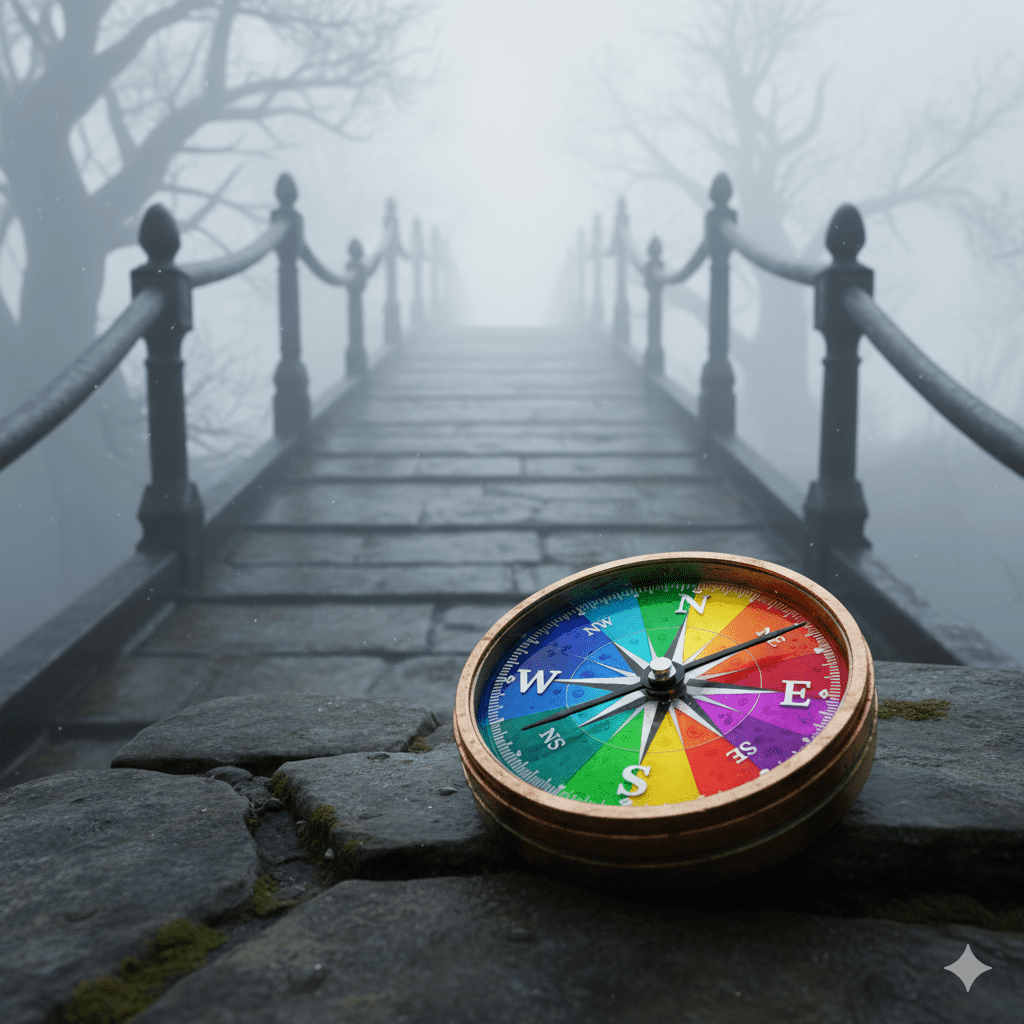
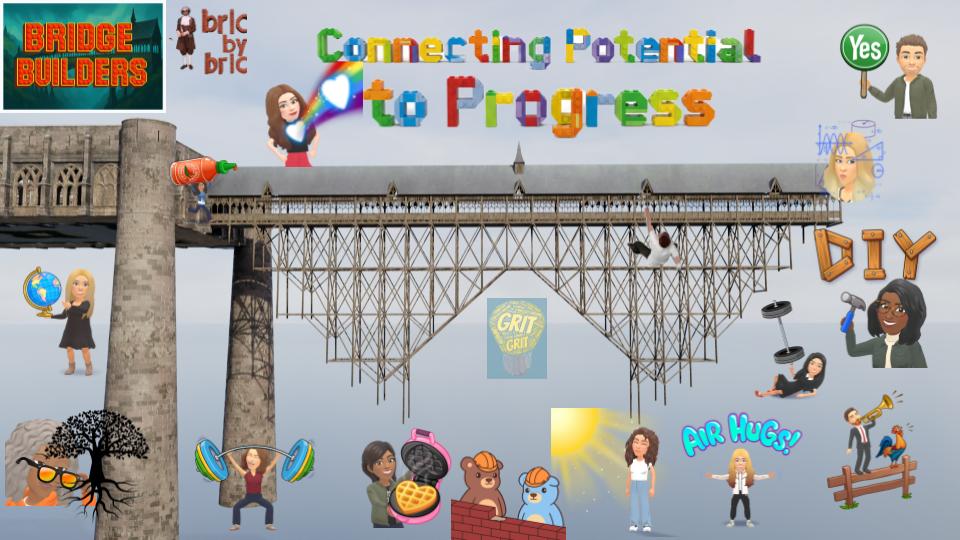
My group this year named ourselves “Bridge Builders”. So, this is my year of “building bridges” — between individual support and systemic change, between current practice and future possibility, between those who are ready to experiment and those who are still finding their courage. Because in the age of AI, the most important learning skill might just be the willingness to learn alongside each other.
What questions are keeping you up at night? How are you navigating the balance between supporting others and holding space for your own big thinking? I’d love to hear how you’re building your own coalitions of the willing.
How do we ensure that learning skills evolve alongside our [AI and other?] tools? Fascinating question!!! Sounds like we need to be leading an initiative to update the Ministry required learning skills.
Love this Lara! Looking forward to the year ahead!