

Last year, I kept returning to one question: **How might we engage both all-in and reluctant educators around AI exploration for student learning?** That question still matters to me, but my coaching identity is shifting alongside it. I’m moving from having answers to developing a toolbox of curious questions that can unlock other people’s thinking. There’s something liberating about that—like switching from being the GPS to being the compass. I don’t need to map every turn for someone else; I can help create space for them to find their own direction.
As I look toward Season 15, I want to keep learning how to make conversations about AI open, thoughtful, and genuinely exploratory. I’m especially interested in strategies that help students discuss AI and listen to perspectives different from their own. Some students can become entrenched in their thinking, and it can be difficult to consider another viewpoint. I don’t have a ready-made answer for how to shift that. Instead, I want to get better at asking questions that invite people to pause and look again: “Why do you think that?” “Why do you think they think that?” “What am I missing, or what perspective am I missing?”
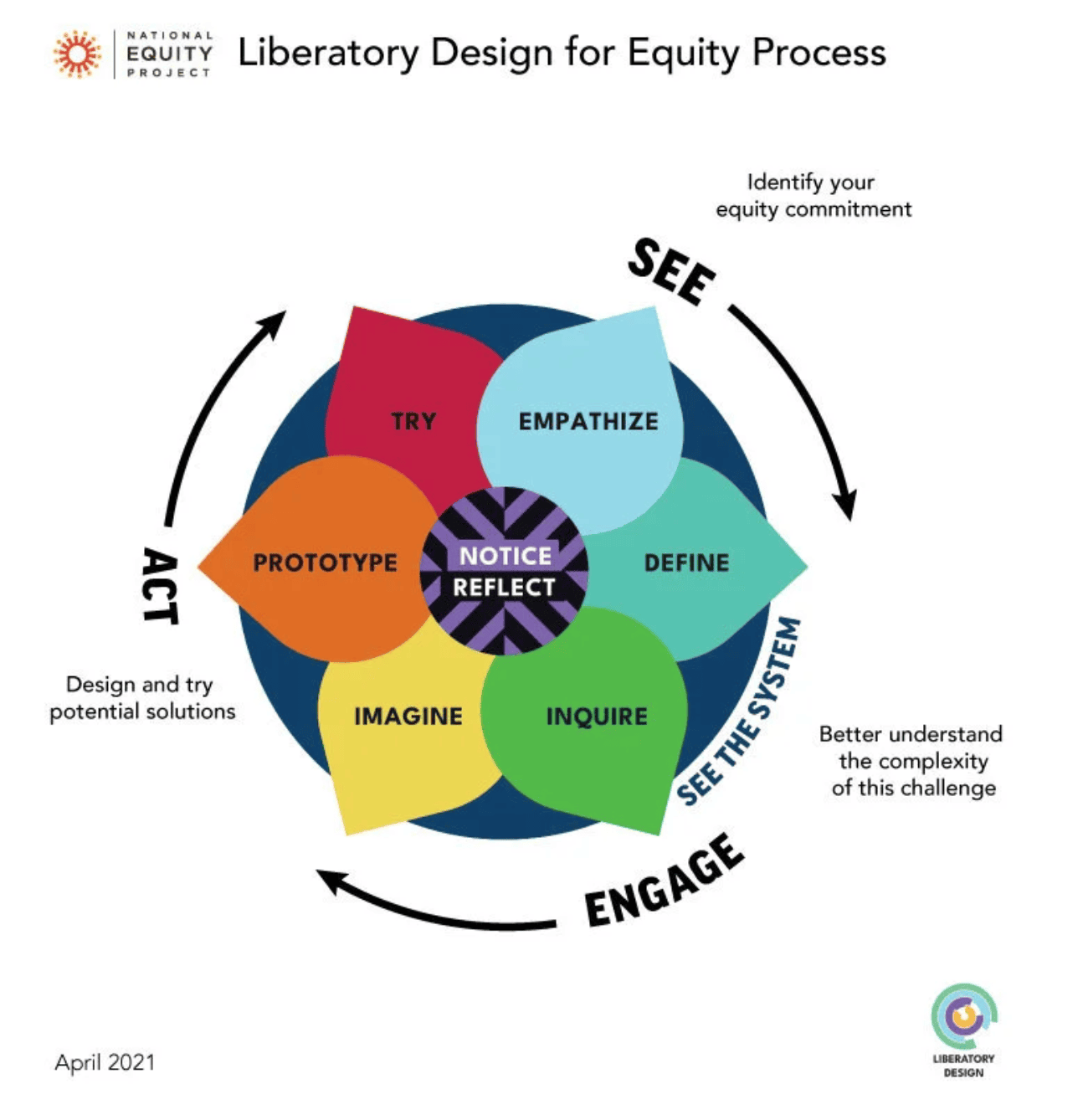
I’m also curious about the Liberatory Design for Equity Process, particularly **Empathize** and **Inquire**. I’m drawn to the possibility of students building empathy as a skill: learning to attend to someone else’s viewpoint and feelings, even when they differ from their own. Inquiry feels connected to my own growth as a coach, too. A curious question can open a conversation without deciding in advance where it should go. I want to keep practicing that kind of coaching—listening carefully, staying humble about what I might be missing, and helping others explore their own thinking.
This season, I want to use Cohort 21 as my learning lab. I’m grateful for the chance to learn alongside a community and gather strategies from fellow members about what actually works when engaging teachers and students in critical conversations about AI—or choosing not to use it. I’m coming with questions rather than a finished playbook, and with hope that listening to others will expand what I can imagine and try.
My soundtrack for this reflection is Joni Mitchell’s “Both Sides, Now.” It captures something I want to carry into the season: the willingness to look again, to recognize that another perspective may reveal something I couldn’t see from where I stood. I’m looking forward to learning with this community, asking better questions, and helping make room for more people to think aloud, listen, and consider both sides.