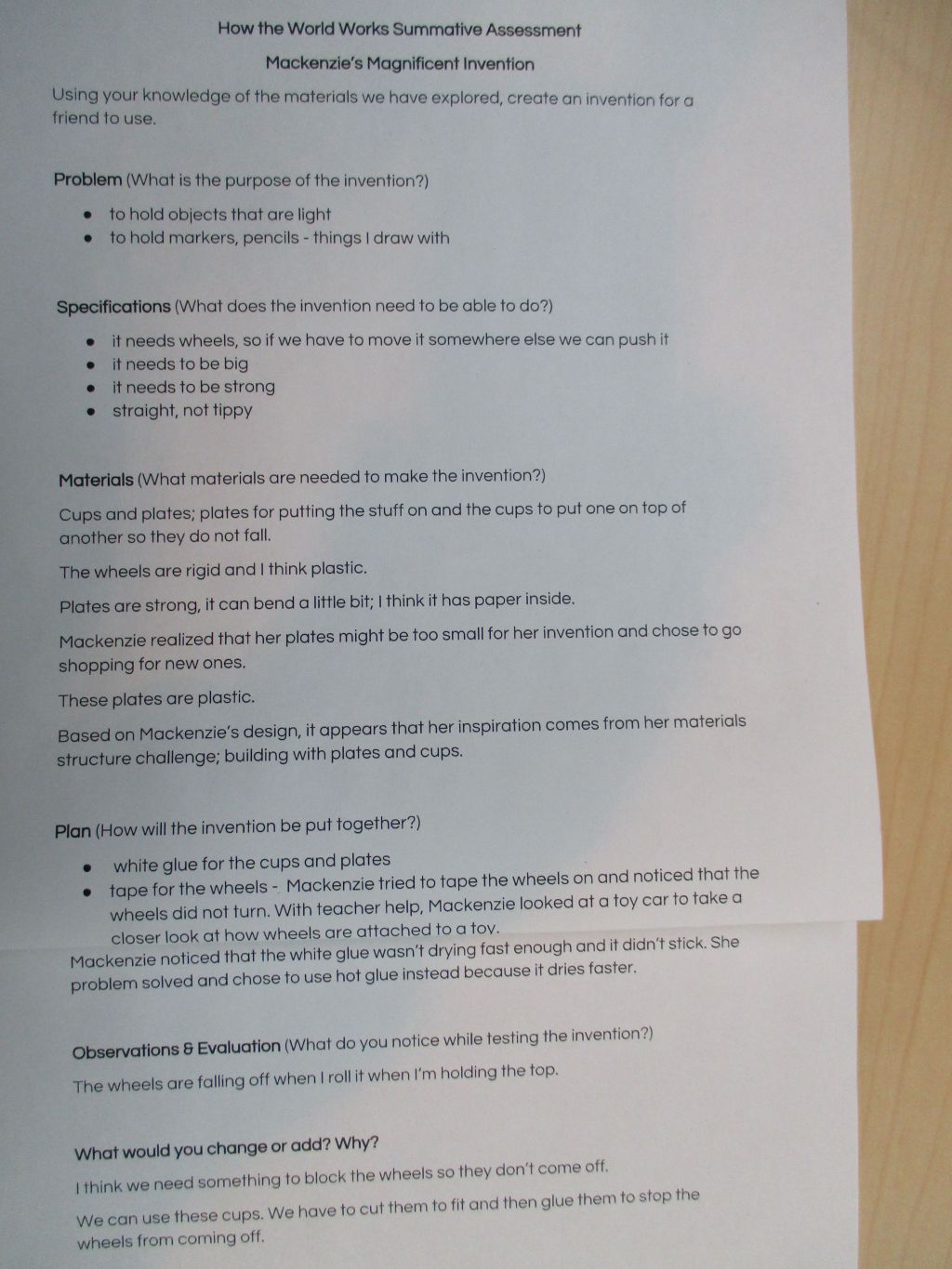
After our last Face-2-Face session, I thought that I knew exactly what my action plan would be, “How would I re-design my room into a Makerspace/’ but the more I thought about it, the more questions that I had. Some of my questions revolved around assessing and reporting. Right now I assess four learning outcomes for each child in the Junior School and also comment on their strengths and next steps. If I was to really change my program to one that will be enhanced because of the Makerspace, perhaps assessing Integrated Technology as a separate entity is no longer the way to go. I am just beginning to try to get a handle on how creativity and innovation in a Makerspace would?/could?/should? be assessed. Perhaps through Approaches to Learning? We are changing our report card platform next year, so it is a good time to make changes. Still thinking about this!
Something else I started wondering about was how I would get the students and teachers into the Makerspace and what mindshift needs to occur for teachers, parents and students. Students would be the easiest to involve as they are always open to new ways of being creative and innovative. They just need the opportunity. I think that this is actually what my action plan will be about, “How do I create a mindshift within the Junior School around creativity and innovation through the use of a Makerspace?”
The re-design of the classroom, the furniture needs, the tools and supplies required are now all things that I have turned over to a Grade 5 Design Thinking task. The Grade 5 students are working in groups to re-design the room. They are researching furniture, tools, supplies etc. that will be required. When I introduced this task to the students, they were very excited. One of the students kept asking, “For real? We are doing this for real?” The students have just been introduced to Google Apps for Education so they are using shared documents to collaborate. The level of excitement was further increased when I explained that Mr. Michael Ianni- Palarchio, the new Director of Technology, at Branksome Hall, was going to come and teach them how to create a business proposal. I then told the students that each group would decide how to show their Makerspace design (paper, 3D-pen, model etc.) and then present their business plans and designs to the class. Each class would then choose two of the groups to present to the Head of the Junior School, the Director of Technology and the Head of Finance.
I have never seen the students so engaged and excited about a task. During their second work period, there were students measuring, researching sewing machines, researching furniture, looking at how to make a Lego wall, designing on the white board and budgeting their proposed purchases.
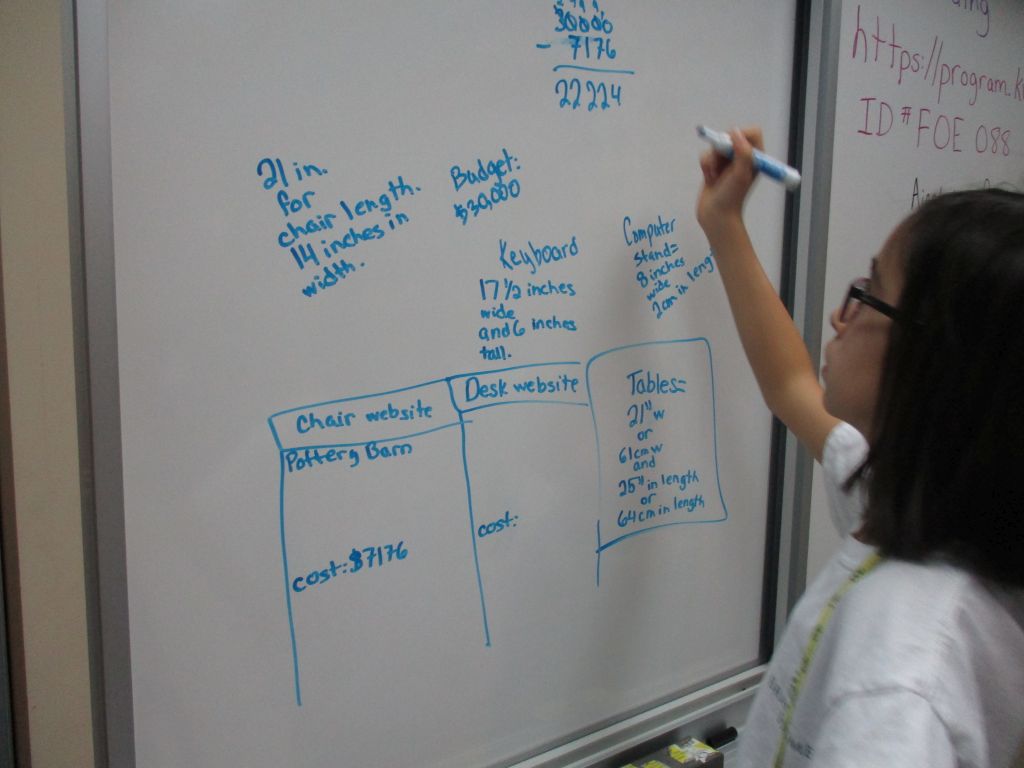
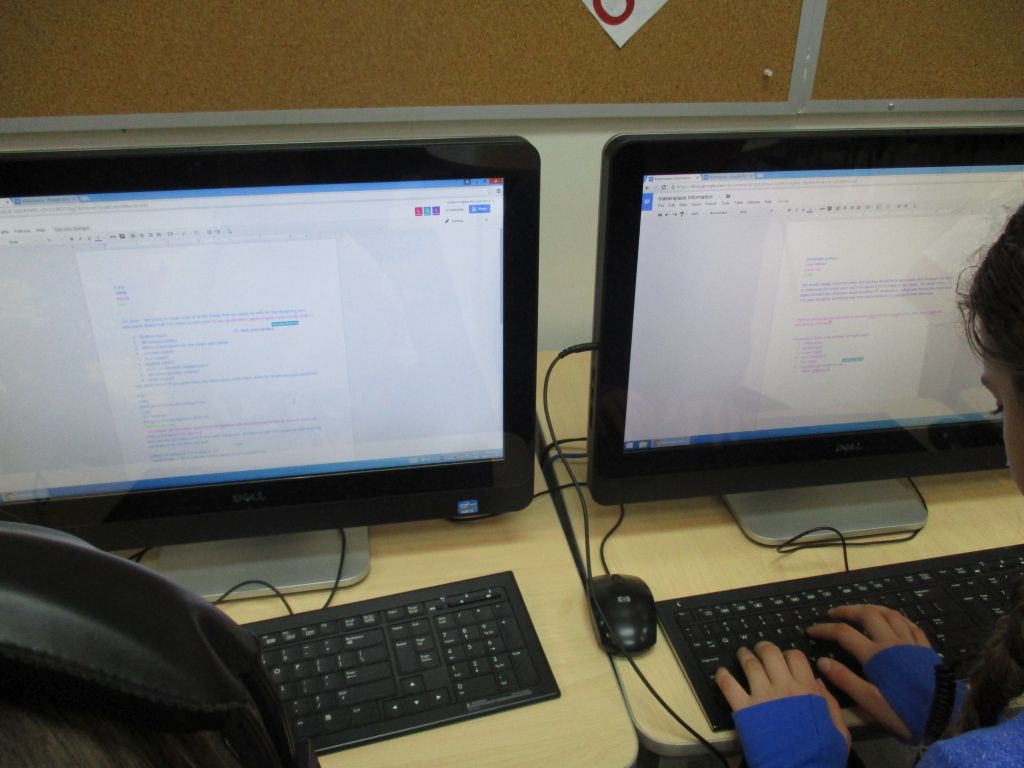
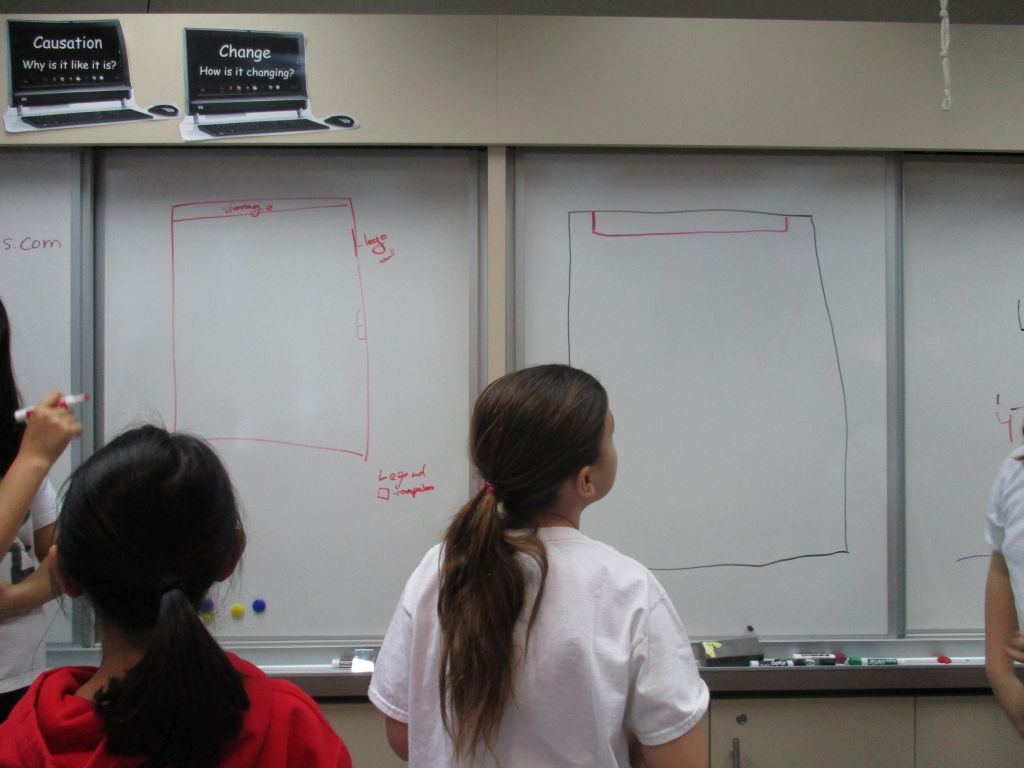
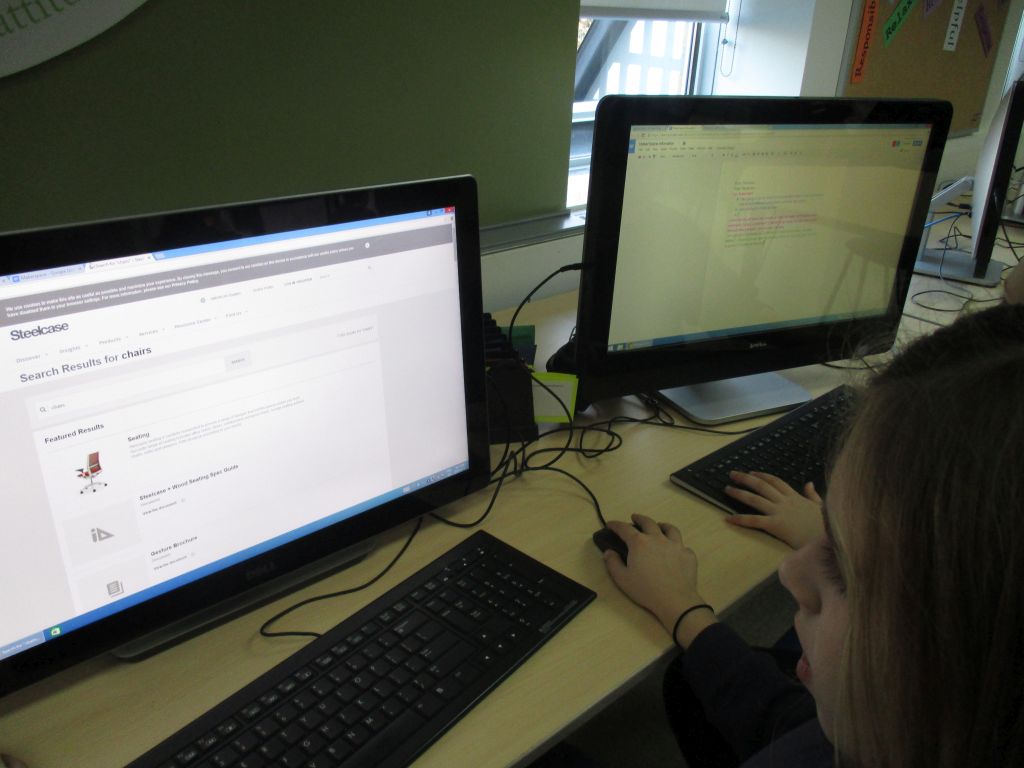
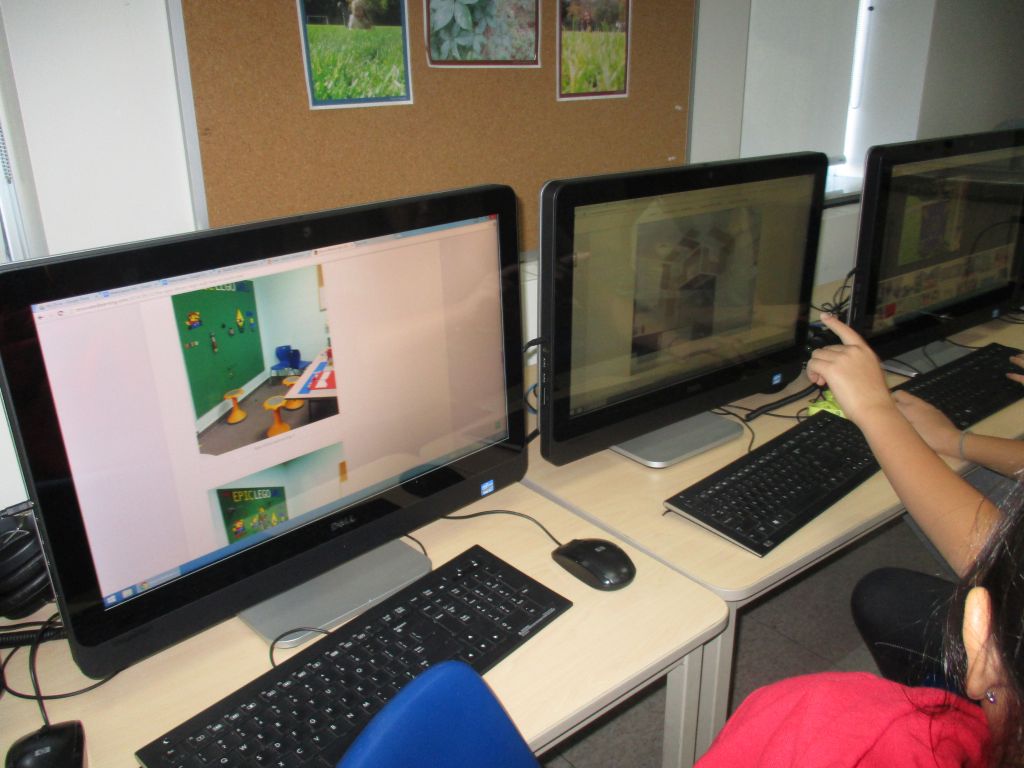
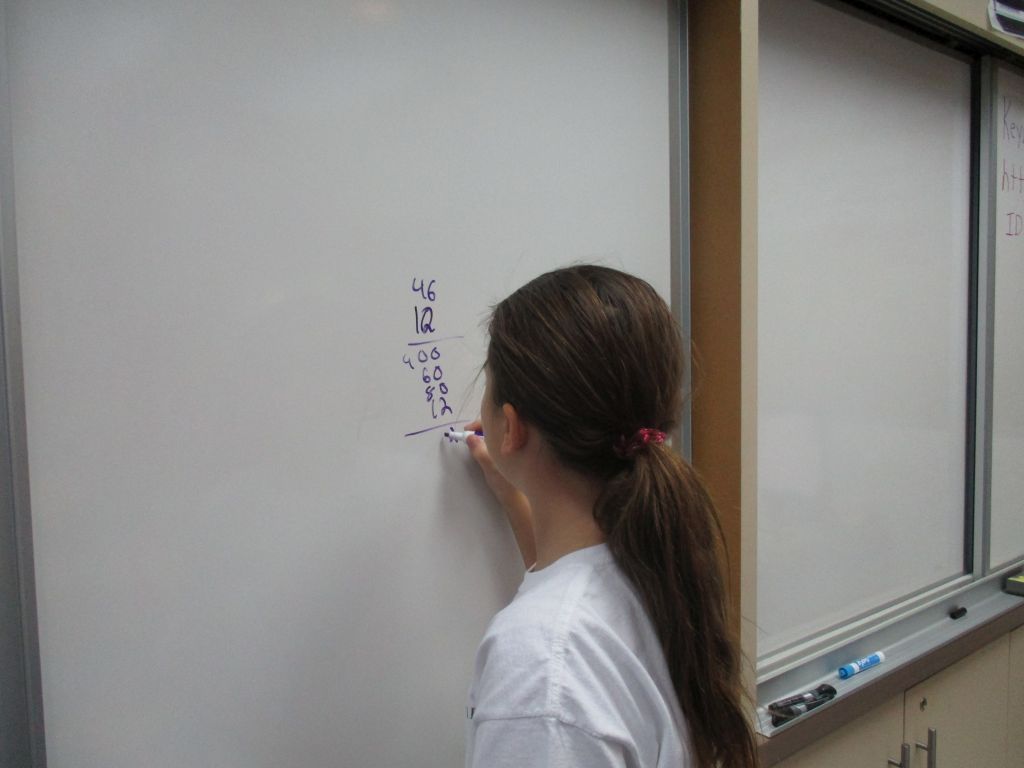
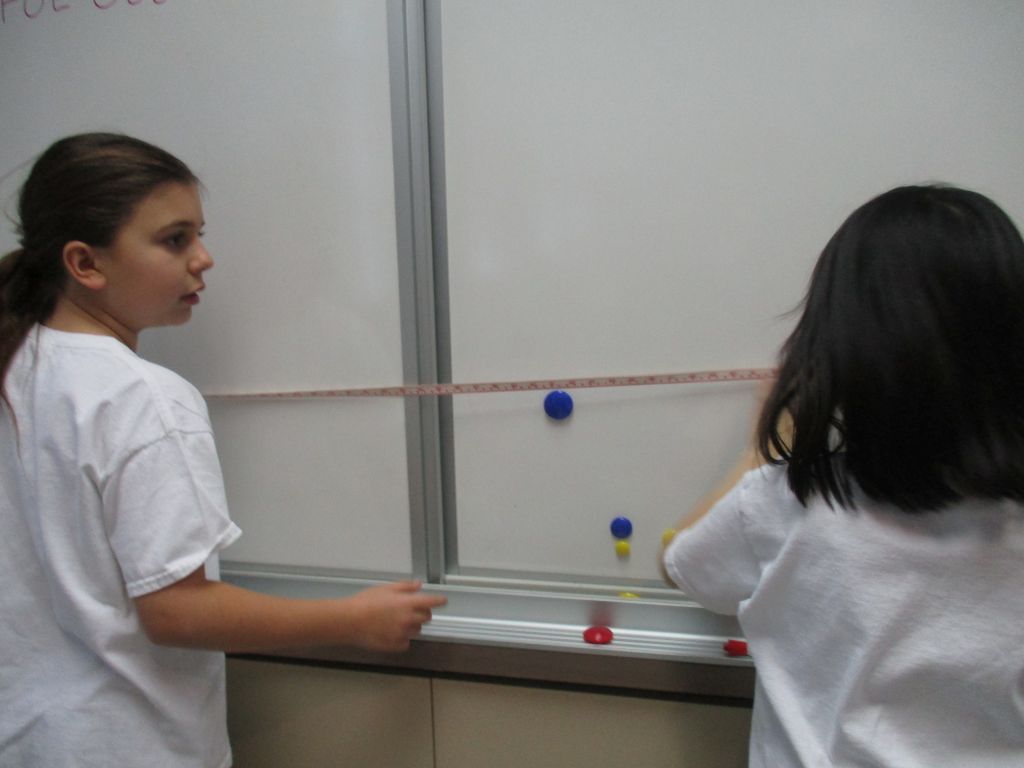
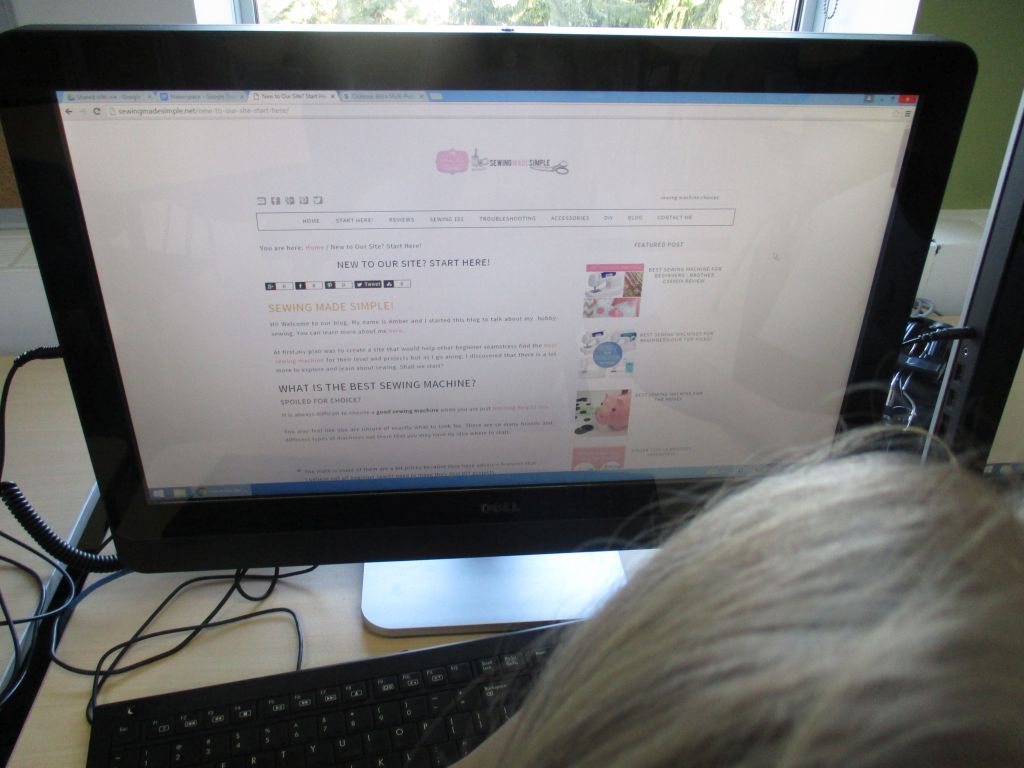
I am really looking forward to seeing what the students come up with for the design of the Makerspace as well as seeing what they think is important to have in the space such as 3D printers, sewing machines, Littlebits, Squishy Circuits, Circuit Scribe, Makey Makey etc.
I am planning to read George Couros’ book, The Innovator’s Mindset, over the Christmas holidays as well as a book called, Invent to Learn by Sylvia Libow Martinez and Gary Stager. My next steps are to visit some Makerspaces and to start figuring out the best ways to go about inspiring and encouraging this mindshift within my school..