
Introduction: A Question That Started It All
When I began this year with Cohort 21, I carried a question that felt both urgent and something I am deeply passionate about: “How Might We connect teachers and students across our two separate campuses to build a K-12 community?”
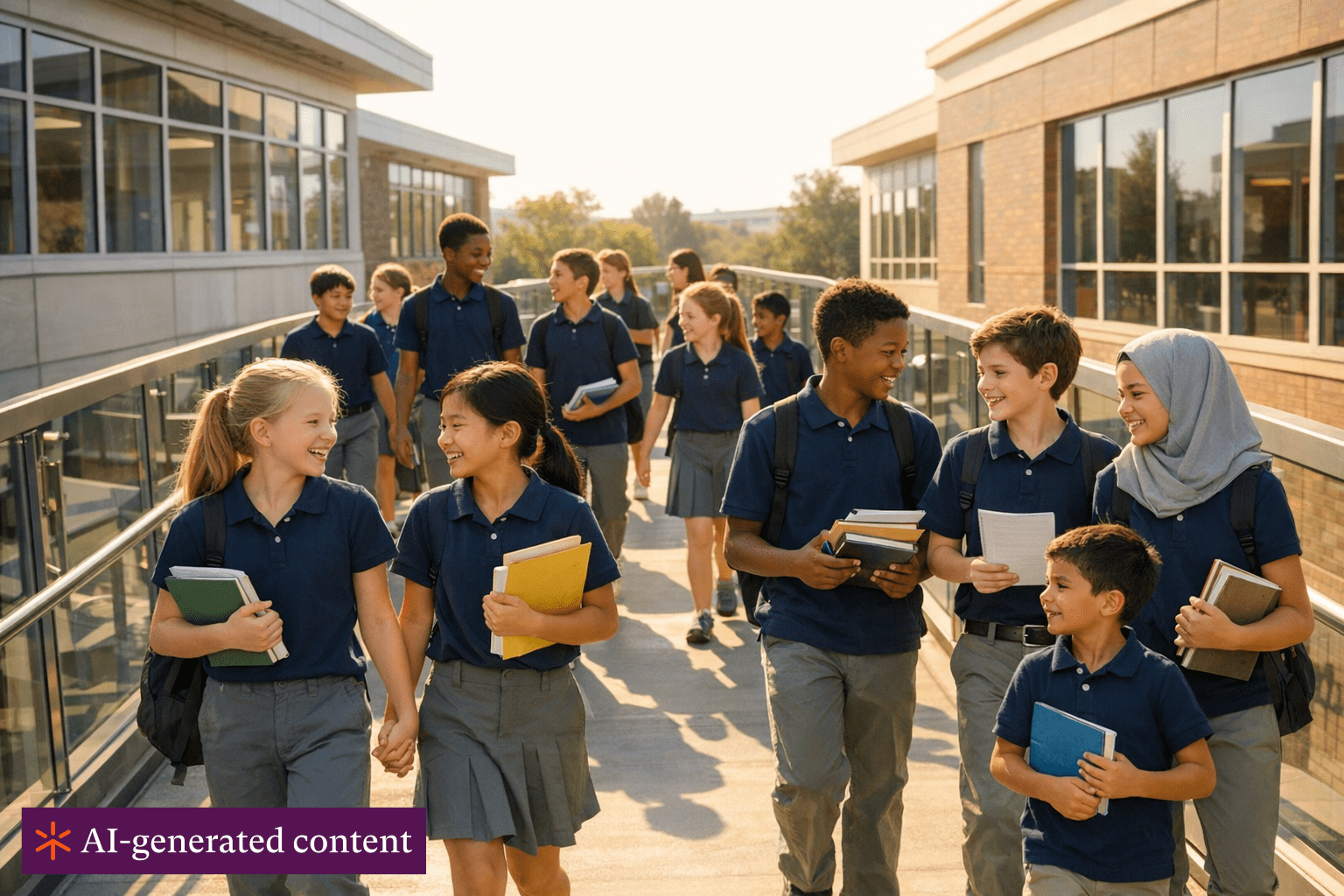
This wasn’t just an abstract challenge. Our school operates across two distinct locations—a junior campus and a senior campus—separated by distance and, often, by the invisible walls that naturally form when communities operate independently. I watched students move through their school days without knowing the teachers, peers, or learning happening just miles away. I saw missed opportunities for mentorship, shared learning, and the kind of cross-age community that makes schools truly special.
The question mattered because connection is foundational. When students only know their own campus, they miss the chance to see themselves in older peers, to learn from different perspectives, and to feel part of something larger than their immediate classroom or campus. Teachers miss the chance to collaborate across grade levels and share innovations. And the school misses the opportunity to be what it could be: one unified community, not two separate worlds.
This blog post is the story of what happened when I decided to do something about it.
What I Did & Its Impact
Forming the KCS Connects Committee
The first step was creating structure. Last year, I formed the KCS Connects Committee—a small group of teachers and administrators who share the vision of building community across campuses. The idea behind forming this committee was to channel our existing individual passions into coordinated action.
The committee’s purpose was clear: think of ways to connect our campuses in all 4 Doors and more, identify barriers to connection, brainstorm solutions, and implement initiatives that would make cross-campus relationships feel natural and valuable. We met regularly, shared ideas, and most importantly, we listened to what teachers needed and offered them our support in making these connections possible.
We saw that with guidance and support, many teachers wanted to collaborate. Students enjoyed getting to know their peers. Administrators wanted to strengthen the school’s identity. The committee became the container that held all that energy and directed it purposefully.

Launching the Digital Communications Club
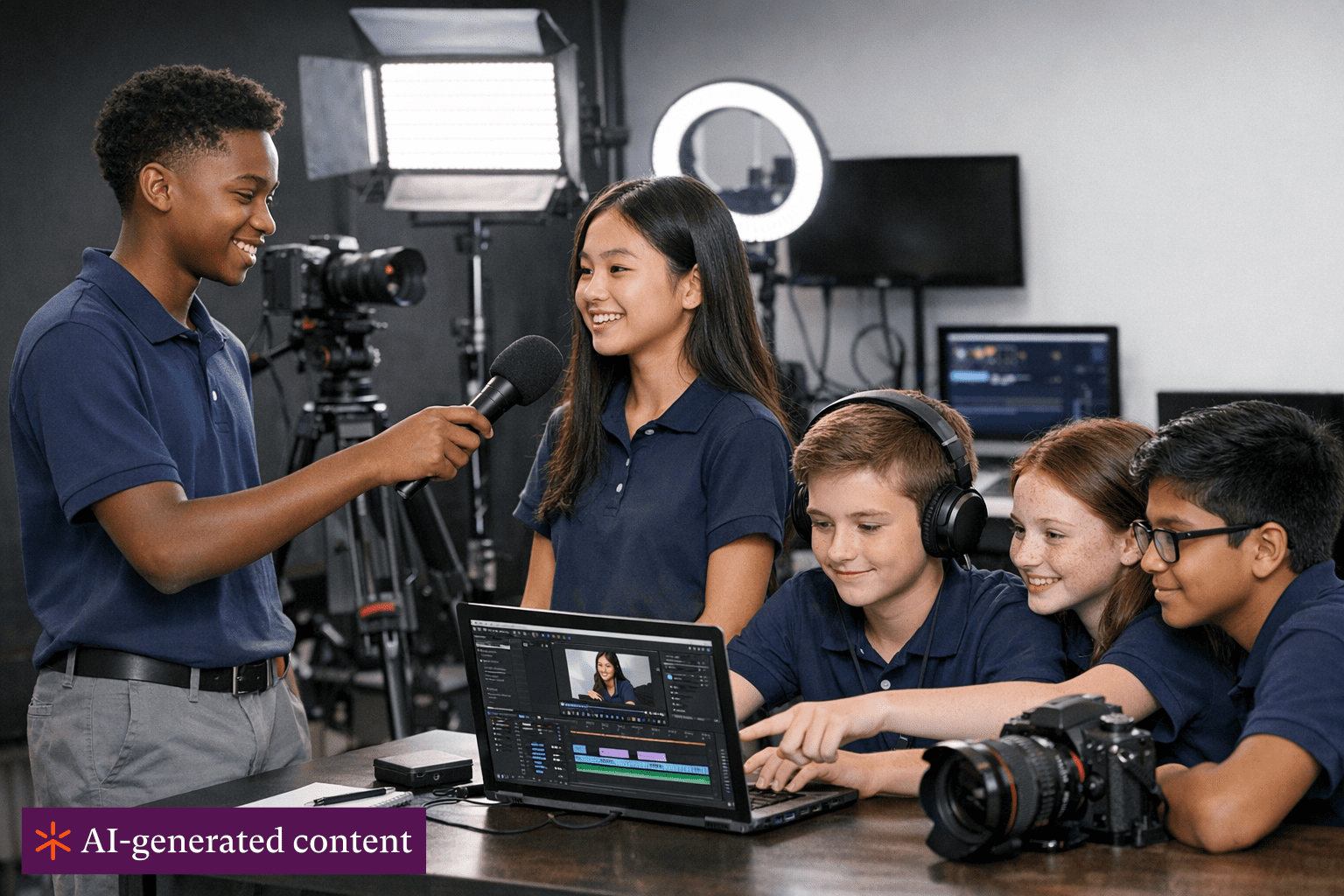
One of my latest initiatives was the launching of the Digital Communications Club to support our student News Crew (a club I formed a couple of years ago.) This student-led group has the potential to become the creative engine for telling our school’s story digitally across both campuses.
Through this club, I have begun to bring together students from both the junior and senior campuses who are interested in digital media, storytelling, and communications. This club is beginning to create content—videos and photo stories—that showcase what is happening at both campuses. More importantly, they are starting to meet each other. They’re collaborating. They are building relationships across the campus divide.
The impact has been immediate and visible. Students who may have had more passive visits to the senior campus suddenly had meaningful reasons to visit. They were driving their experience and went there with a clear purpose in mind. They supported News Crew interviews, filmed footage, and discovered peers with shared interests. This club is serving as a bridge in the most literal sense—students physically moving between campuses, carrying stories and connections with them.
Parents are telling me they are grateful for my support in pushing their children outside their comfort zone by offering them these experiences. Parents and staff tell us they love seeing learning shared and celebrated. Teachers are appreciating having their classrooms, teams, extra-curriculars, and innovations highlighted. And the students? They are feeling seen, heard, and part of something bigger than themselves.
Tracking Our Progress
To make sure this wasn’t just feel-good work but actually measurable progress, I created a simple tool in the form of a tracking chart that I shared during internal professional development days and division meetings. Teachers were given time to populate this chart in order to document what connections are being made across campuses from year to year, both through events and cross-curricular learning experiences.
The chart became invaluable. It is showing us patterns—which grades and divisions are naturally collaborating, where we need to look for additional ways to connect, and what kinds of initiatives resonated most. It also created accountability in the best way: people could see the impact of their efforts reflected in real data.
What the data revealed was encouraging. More teachers are dropping in to our meetings to talk about ways they might collaborate across campuses. Discussions are shifting from “what we’re doing here” to “how does this connect to what’s happening there?” The mindset is changing.
Observable Impacts
As we approach the end of the year, the work has created tangible, beautiful changes:
- Junior campus students visiting senior campus: What once felt like a rare occurrence is becoming routine. Younger students attended senior events, participated in collaborative learning experiences that involved senior student leadership, and experienced the campus that awaited them. They can see their future.
- Positive feedback from all stakeholders: Teachers reported increased enthusiasm. Parents expressed gratitude for the visibility into both campuses. Students said they felt more connected to the school as a whole.
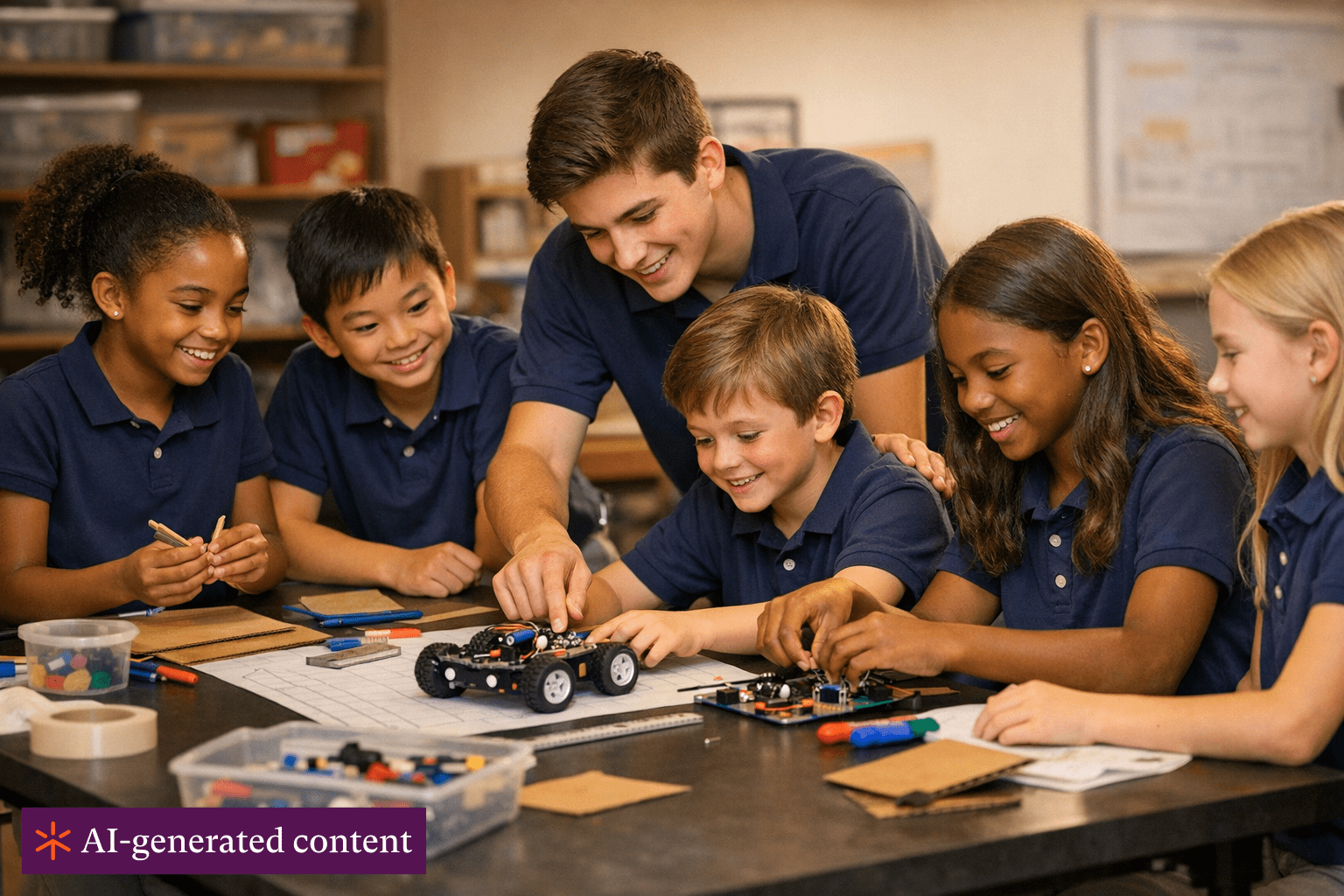
- Integrated learning experiences: Classes began planning joint projects. A junior campus class might learn about a topic, then have senior students come share their advanced work on the same topic. Junior students are learning from their senior peers through cross-curricular activities and experiences. Cross-age teaching is becoming a real thing.
- Senior students in leadership roles: Older students stepped into mentorship positions naturally. They led activities, shared their expertise, and modeled what engaged learning looks like. One senior student completed a placement in one of our Kindergarten classrooms and now wants to become a teacher. All along the way, the younger students watched and dreamed of becoming like them.
What I Learned
Logistics Are Real (And Worth Solving)
One of my biggest learnings was just how much logistics matter. Distance between campuses, different schedules, transportation constraints—these aren’t small details. They’re the difference between a good idea and an idea that actually happens.
I learned to think creatively about timing. Could we use technology when physical presence wasn’t possible? Could we bundle multiple activities into single trips? Small logistical wins added up to make cross-campus connection feasible.
Curriculum Alignment Is Everything
Another critical insight: connection is strongest when there’s real curriculum alignment. When a junior campus unit could genuinely connect to what senior students were studying, the collaboration felt organic, not forced. Students weren’t just meeting each other; they were learning together.
This taught me to always ask: “What is each group actually learning right now?” The answer to that question should drive how we connect them, not the other way around.
Communication and Student Agency
I learned that communication is the connective tissue of community. The more consistently and creatively we told the story of what was happening, the more people understood what was possible. Photos and videos of junior students visiting the senior campus did more to inspire other visits than any announcement ever could.
And I learned the power of student agency. When students led the communications work, when they decided what stories mattered, when they owned the narrative—that’s when real culture shift started to happen. Adults can facilitate, but students drive authentic change.
Resources to Share
If you’re working on similar challenges, here are the tools and partnerships that made a difference:
- Google Doc Tracking Tool: I created a simple Google Doc that tracks cross-curricular connections and cross-campus initiatives. It’s nothing fancy, but it’s powerful. Seeing progress visualized motivates continued effort.
- Cohort 21 Community: The support and ideas from my cohort were invaluable. If you’re working on school community challenges, find your people. Thinking together makes everything better.
- Partnership with Senior School Communications Technology Teacher & Communications Staff: This collaboration was gold. Having other staff members who understood both communications and technology, and who were willing to mentor student leaders, elevated the entire News Crew and Digital Communications Club. If you have staff with relevant expertise, invite them into the work.
The Big Takeaway
As I reflect on this year, one message keeps returning: Start small and let success inspire others.
I didn’t try to transform the entire school overnight. I started with a club, then a committee, then a tracking system, then another branch of the club. Each small win—a successful event, a piece of content that resonated, a student who made a new friend across campus—became proof that this mattered. Those wins inspired more people to join in.
I also learned to harness passion and stay excited. This work only sustained because I genuinely love it. That enthusiasm was contagious. When people saw how much I cared, they cared too. If you’re going to do this work, make sure it’s something that lights you up.
Practise patience and take it one step at a time. Building community doesn’t happen fast. There were moments of frustration when logistics didn’t work out, when attendance was lower than hoped, when I wondered if this was making a real difference. But patience is paying off. Consistency is paying off. Showing up, again and again, with the same vision—that’s what is changing things.
And finally: celebrate wins along the way. Don’t wait until everything is perfect. When a junior campus student visits the senior campus for the first time, that’s a win. When a teacher from one campus collaborates with a teacher from the other, that’s a win. When a student creates content that makes someone smile and feel connected, that’s a win. Celebrate it. Name it. Let people feel the progress.
Lingering Questions
As I close this chapter, I’m left with questions that feel important for continuing this work:
- How do we involve students more deeply in telling the school story? We’ve started, but there’s so much more potential. What if every student felt like a storyteller for their school?
- Could we do live weekly broadcasts? Imagine a brief, student-produced show that happens every week, featuring both campuses. It would keep connection alive and give students ongoing creative opportunities.
- How do we overcome the real challenges of time, distance, and timetable differences? These barriers are real. I’ve found workarounds, but I haven’t solved them. There is work to be done.
Final Thoughts
This year, I came in with a question and a hope. I’m leaving with a committee, an expanded club, a tracking system, and most importantly, with evidence that our school is more connected than it was before.
But here’s what I want to say most clearly: this work isn’t finished, and it shouldn’t be. It’s not something you do once and then move on. Building community is ongoing. It requires consistent attention, creative thinking, and people who care enough to keep showing up.
To whoever joins me in this work next—and I hope you do—I want to encourage you: trust that this matters. Trust that students are hungry for connection. Trust that other teachers want to collaborate. Trust that the school is ready to be more unified, more connected, more whole.
Start small. Stay patient. Celebrate wins. Harness your passion. And remember: you’re not just connecting two campuses. You’re building the kind of school community where every student feels known, every teacher feels supported, and everyone understands they’re part of something bigger than themselves.
That’s worth the work. That’s worth the patience. That’s worth everything.
*Questions about this work or want to see the tracking tool? Does your school have a student communications team? I’d love to hear from you. The conversation continues.*