

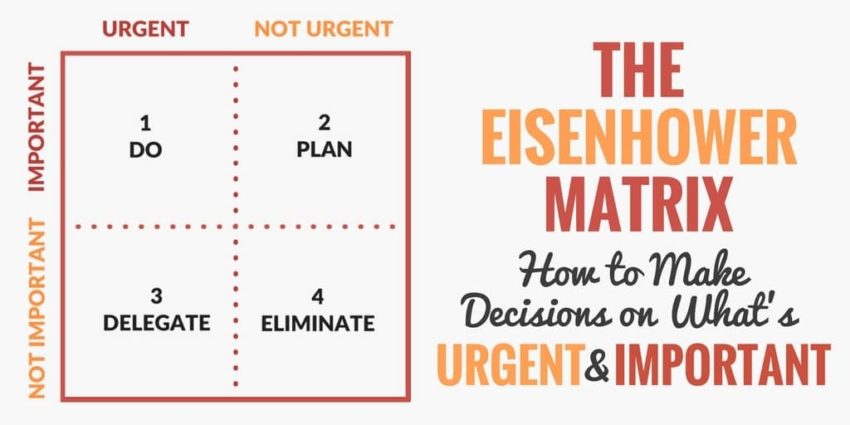

Question 1: During the first face to face we used the language of Urgent vs Important to help frame our discussions and thinking around the use TIME. Reflect on why you joined Cohort 21 and your professional goals for this year. Now that the year has begun and you have met your students what IMPORTANT goal might you like to address and leverage this community to get support with.
To be honest, I had not heard of Cohort 21. My principal thought it might be a great opportunity to learn and grow and I am always eager for new learning so I jumped at the opportunity to learn something new.
Getting to know my students this year I have found a profound/ urgent issue with connecting and supporting students with their mental health. My class is struggling with basic school routines and focusing on the task at hand but more than anything they need to be hands on rather than traditionally sitting at a desk. Getting back to basics and taking care of their personal health and helping them relearn how to focus as well as using those hands on/play based theories to continue the growth they need is my urgent goal. Although the curriculum is important if they don’t have the basic needs met, how can I even hope to see academic growth in my students?
Question 2: Which of the Season 10 Strands did you choose and why? Share what you feel is both urgent and important about it for you and your school at the moment and some of the questions you have around moving forward. Feel free to change strands should you want to.
I decided on Pedagogy and Wellbeing (JK-6) as I think it connects with my current group of students the best. I think trying to figure out assessment strategies and learning tools that will help students build themselves up with self-worth and positivity as well as trying assessments that give them more of a hands-on feel will support them in their learning.
Moving them forward with various tasks that are “doing and showing” rather than a typical paper/pencil task will allow them to get what they need. My plan is to gradually ease them into more desk activities to prepare them for the junior grades but at the same time meeting them where they are and give them assessments that will get what I need from them as well as give them an outlet that will support them as learners too.
I think my particular grade has an urgent need for well-being and reconnecting with their teacher, activities and peers and giving them group, partner and individual tasks will help build this barrier I see in them. Perhaps the pandemic has taken the connection with others they would have gotten in the younger grades. Filling their bucket in this way will help give them what they need.
My job as an educator is to also teach them what they need for the next step in their educational career. Preparing them for more desk activities, projects and skills is something that will come with time. Meeting the urgent needs must come first before I can start meeting the important needs.
So glad you joined Cohort 21! Looking forward to your posts.
@ksegedin
Looking forward to your response on our first two Season 10 prompts. Here is a video explaining how https://bit.ly/c21season10firstpost
@gvogt @gnichols
HWM Question:
How might I improve student engagement by helping support their basic needs by embedding social-emotional learning into everyday activities?
Question 1,
To be honest, I had not heard of Cohort 21. My principal thought it might be a great opportunity to learn and grow and I am always eager for new learning so I jumped at the opportunity to learn something new.
Getting to know my students this year I have found a profound/ urgent issue with connecting and supporting students with their mental health. My class is struggling with basic school routines and focusing on the task at hand but more than anything they need to be hands on rather than traditionally sitting at a desk. Getting back to basics and taking care of their personal health and helping them relearn how to focus as well as using those hands on/play based theories to continue the growth they need is my urgent goal. Although the curriculum is important if they don’t have the basic needs met, how can I even hope to see academic growth in my students?
Question 2,
I decided on Pedagogy and Wellbeing (JK-6) as I think it connects with my current group of students the best. I think trying to figure out assessment strategies and learning tools that will help students build themselves up with self-worth and positivity as well as trying assessments that give them more of a hands-on feel will support them in their learning.
Moving them forward with various tasks that are “doing and showing” rather than a typical paper/pencil task will allow them to get what they need. My plan is to gradually ease them into more desk activities to prepare them for the junior grades but at the same time meeting them where they are and give them assessments that will get what I need from them as well as give them an outlet that will support them as learners too.
I think my particular grade has an urgent need for well-being and reconnecting with their teacher, activities and peers and giving them group, partner and individual tasks will help build this barrier I see in them. Perhaps the pandemic has taken the connection with others they would have gotten in the younger grades. Filling their bucket in this way will help give them what they need.
My job as an educator is to also teach them what they need for the next step in their educational career. Preparing them for more desk activities, projects and skills is something that will come with time. Meeting the urgent needs must come first before I can start meeting the important needs.
@ksegedin
Happy new year! I hope you are managing during this remote learning period. Thank you for sharing your thoughts and reflection above.
We are looking forward to connecting this weekend. If you have a free moment before Saturday; if create a 2nd post that answers the following 2nd F2F reflection questions and post your HMW question. This will be really helpful to your coaches/facilitator in their support of your Action Plan. It should not take more than 5 minutes so don’t overthink it. We just want to pile on the support and the blog is the most efficient way to do it.
1) What was the process like in coming up with your HMW question at the last face-to-face? Where did you land? Share your first attempt so we can see where your action plan is headed.
2) Who should you talk to next to help guide your inquiry? In order to answer your HWM question, what voices and perspectives need to be consulted? What did you learn when you talked to them?
3) Why are you engaging in this line of action and inquiry? What important unmet need sits central to your question?
See you Saturday!
Justin