My Year of Building Confidence in (Democratic) Voice(s)
Normalizing Intellectual Vulnerability: Building Confidence in (Democratic) Voice(s)
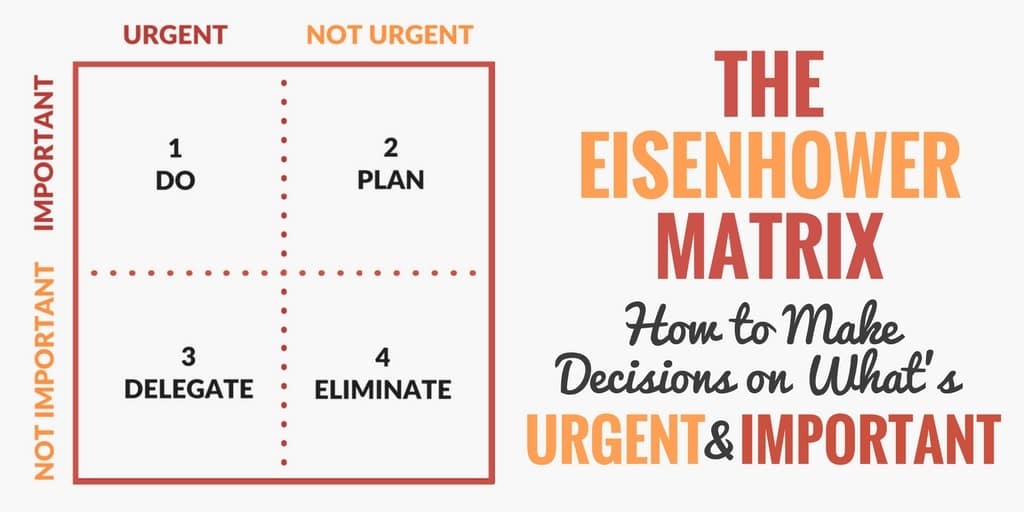
When I worked through the Eisenhower Matrix this season, one insight emerged with startling clarity in my urgent & important quadrant: the need to foster intellectual vulnerability amongst teenage boys. As an educator transitioning from public to the IB, I’ve discovered that my greatest challenge isn’t mastering new terminology, as I thought coming into the cohort, it’s creating spaces where students feel safe to take creative and intellectual risks.
The matrix revealed something I’d been sensing, consideration of my general pedagogical focus on student wellbeing and community sense-of-belonging, but hadn’t fully been able to articulate: observations of students support each other brilliantly in athletics and co-curriculars, but an invisible barrier emerges when intellectual courage is required. As someone focused time in the university taking courses discussing CHYS psychology, its interaction with gender studies and the social-cultural influence(s); further how they each play a role in how the student is able to effectively learn in the classroom – further understanding that learning is going to look differently to all of these students.
Thus, whilst teaching in the CHV20, I’ve observed that four students become the designated “right-answer” holders, while others’ increased hesitation to share when these peers speak first. This fear of facing peer judgment or social ostracisation, eventually silences the voices that democracy desperately needs heard and connects to the fear of being judged. This year my, TPA ALP Goal has changed from the Teaching Practice category to Commitment to Pupils* and Pupil Learning. I’m committing to normalizing intellectual vulnerability by way of critical digital media literacy. My students and I co-constructed a Charter of Rights to Discourse & Inquiry that shows they want safe spaces for complex conversations—they just need the scaffolding to make it real. Starting this month, I’m implementing a comprehensive media literacy “mini-unit” using resources from PBS, CommonSense Media, and CBC News Kids, beginning with an analysis of the Gillette “The Best a Man Can Be” commercial. This will transition the class from conversations about Canadian Government (Unit 1) to Human Rights (Unit 2).
Why does this matter? Because I’ve told my students directly: politics and government are forever changing modelled education on the topic will look like critical flexibility in discourse and developed understanding of a factual-institution to relate back to. Elected officials will shift focus, ridings will be redrawn. So how do we create understanding of our own stance and positionality when we’ll be renegotiating those terms throughout our lives? The answer lies in teaching them to distinguish fact from agreed-upon fact from opinion, to engage respectfully with different perspectives, and to take intellectual risks without fear. Following the mini-unit I hope to engage in discourse sessions twice a month that will occur over two periods (thus 300-minutes each month that allow them to take onus and engage in critical reflection about their learning). This mini-unit will reinforce the students confidence in ability to assess credible sources of fact, credible sources of opinion and sources of open-discourse.
Through these structured discourse sessions on human rights, colonization and then decolonization, these future leaders will learn that intellectual vulnerability isn’t weakness—it’s the foundation of democratic participation. Success will look like students confidently engaging with complex topics, supporting each other’s academic risk-taking, and developing the critical thinking skills to navigate an increasingly complex information landscape. This isn’t just about preparing them for post-secondary education; it’s about preparing them to be thoughtful, informed citizens who can lead positive change in a world of increasing conflict. To become adults who critically think not only about how things may affect them, or those who share identity-characteristics, but deepen their capacity of understanding for others.
This work aligns with our class work because democracy depends on citizens who can think critically, engage respectfully, and adapt their understanding as they grow. By normalizing intellectual vulnerability in my classroom, I’m not just teaching civics—I strive to foster an environment suitable for the democratic leaders our world desperately needs. We are not incapable of respectful engagement, but it requires regular attention, regulation and introspection.
______________________________________________________
P.S.
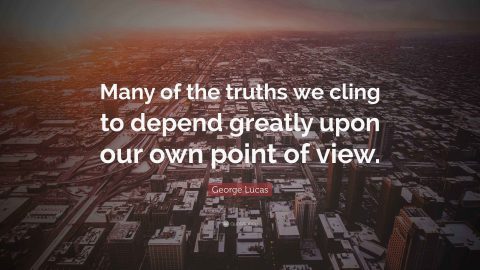 “Many of the truths we cling to depend greatly upon our own point of view / The truth is often what we make of it” I feel that this quote I included in the Minds On of a lesson earlier on in Canadian Government (or, Unit 1) incapsulated what I was able to articulate today with the assistance of Cohort 21 and the resources available (facilitators, coaches, other CAIS teachers). The quote being from mentor to mentee further has me repositioning my thinking into how I can design around the language of the curriculum, to how I can design within the classes and existing framework spaces that facilitate understanding, nurture intellectual curiosity and develop critical-think skills that support democratic discourse/resolutions.