
 Written by
 I’ve been wrestling with motivation lately.
In my last blog post , I began to frame my reflections about motivation in the classroom with five important questions. Though motivation has been central to my action plan, I realized it was necessary for me to exactly define what I meant by motivation. Was I envisioning a classroom of high-achieving, highly self-motivated students? Or was I hoping for a classroom of students who were so motivated to learn, their passion extended beyond our four walls. Ultimately, I want to build a classroom of life-long learners. I think that many of you can identify.
So here is my HMW question right now,
“How might we build a culture of life-long learning rather than a culture of achievement?”
More specifically, how can I make my classroom more than just about the content, curriculum, report cards etc., but about a mindset for life?
Above I refer to the questions that framed my thinking. The five questions are meant to prompt teacher reflection about how we are building or hindering student motivation. They were originally posed by the Jennifer Gonzalez at The Cult of Pedagogy. They went something like this:
- How is your relationship with your students?
- How much choice do your students have?
- Are you relying too much on rewards and consequences?
- Do your words contribute to persistence?
- What are you doing to make your content relevant to students lives.
I decided that my planned experiments would revolve around these five questions. Some areas got more attention than others, but this continues to be a work in progress.
Dialogue Journals (Relationship, Relevance):
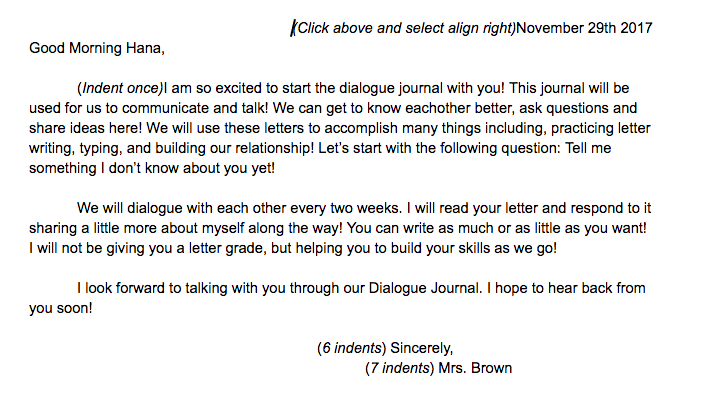
This is another gem from The Cult of Pedagogy (can you tell I am a fan?) You can read her post about it here. Basically this is a journal where students and teachers write to each other on a regular basis. Each week, I have my students write me a friendly letter on a working Google Doc. I ask questions, tell them about myself and they do the same right back. This relates to both relationship and relevance because not only am I continuing to build relationship with continued dialogue, but it is another way for me to tap into their moment to moment questions and interests.
Status of the Class (Relationship):
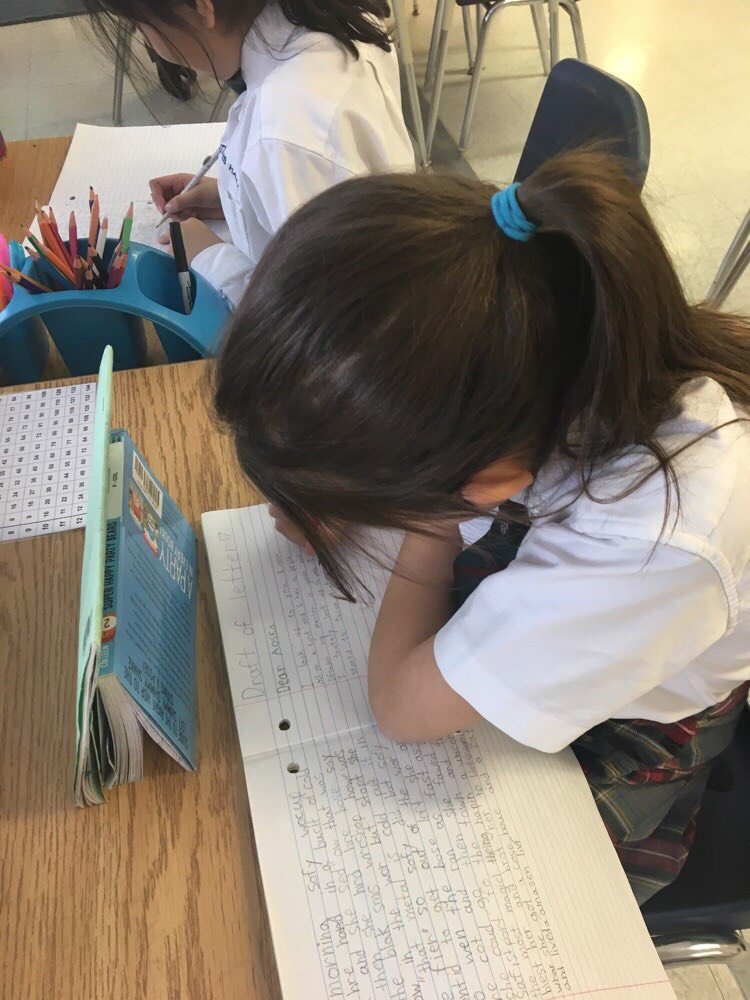
After stumbling upon this, and proceeding to Google it, “Status” seems to be something done by many teachers. You can read a great post about it by Upper Elementary Snapshots. Basically, almost every day, after lunch recess I take status of the class. This means I check in with each student at their desk. I ask them what books they have been reading, how their day is going, about last night’s hockey game etc. I give them time to ask me questions or bring up concerns they have. This by far, has been my favourite experiment. Students that do not get their time in the spotlight get much-deserved attention and time from me.
Feedback ONLY and Individual Feedback Time (Relationship, Rewards, Persistence):
For the past three months I have been experimenting with different ways that I can avoid giving my students grades. I promise, this is not a way to get out of marking (hehe). I want to stimulate conversation about improvement, rather than stamp kids with numbers. Rather than sorting and grouping students, how could I grow them? I started giving feedback ONLY on anything I hand back to the kids, this includes math tests!
Individual Feedback Time is a gold nugget I pulled from Creating Cultures of Thinking by Ron Ritchart (thank you to the anonymous person at C21 that recommended it to me). Basically, I meet with each student once a week. At this time, they bring me any work they need looked at or graded. Together we look through it and I give them on demand feedback. No more taking marking home – we mark it together and we get to have a conversation about how they can improve for next time. Apparently this saves time too! I will be trying my first IFT tomorrow morning!
Ignited Writing (Choice, Relevance):
This is program I am taking from Madly Learning, a great Ontario-based upper elementary blogger. Basically, I let students choose what they will write. I am throwing out my prescribed plans, where all students are writing narratives, or persuasive essays, and allowing my students to choose their form of writing. From there, I will teach as I go and give them what I think they need. Basically, it is a way to approach my writing program in a more constructivist way. We started this in the new year, and I have never seen a group of 10 year olds that quiet. A couple of them actually jumped up and down with excitement this afternoon over! So pumped for this one.
I guess this is my action plan? Right now it looks like a patchwork quilt, hobbled together in between yard duty and the dismissal bell. Next steps will be to take one of these experiments and dig deeper.
Photo Credit: Pacific Rim Quilt Company