 Written by
 I’ve felt like one of them before. I’ve sat at the desks, I’ve written tests I wasn’t quite ready for. I’ve had the feeling of “what’s going on at lunch today?” I’ve been a high school student. We all have. But, let’s be honest… It’s been a while. And in that time, a lot has changed.
Last week, I was able to see what high school is like today. I had the opportunity to shadow one of my grade 11 students for the day to see what a typical day is like as a student at CDS. This idea came following our second F2F gathering where I felt overwhelmed by the all of the information and ideas running through my head (to read about this experience further, visit my previous blog post “One of them”). This experience made me think a lot about what my students may feel like in the classroom and made me want to explore this further. During this day, I really tried to take my teacher hat off and be a grade 11 student.
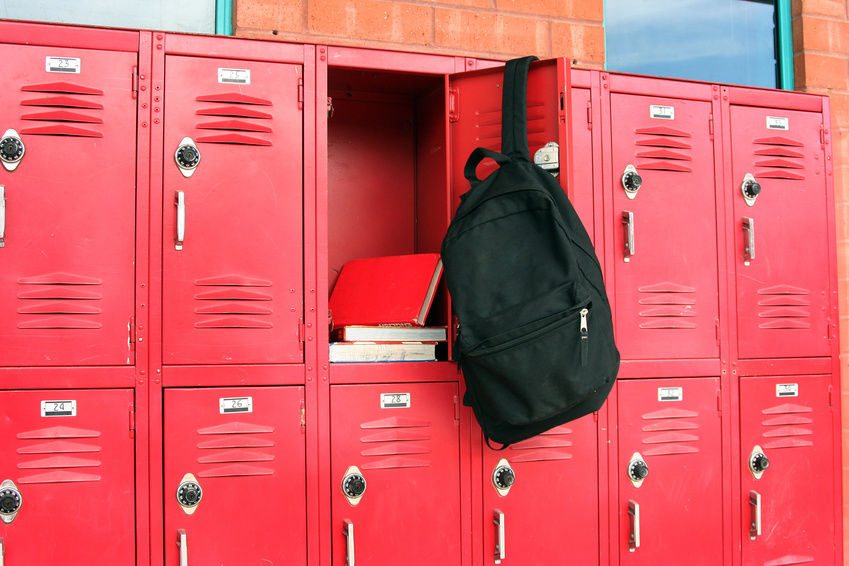 I would not describe my day as mind blowing. Although I have not been in high school in some time, I am a firm believer in the importance of relational teaching so I truly try to take the time to get to know my students, struggles and dislikes included. It reinforced much of what I knew: their busy schedules, the amount of assignments, the peer pressure around them. However, regardless of it reinforcing some of what I already knew, it allowed me to understand and gain insight into what may be causing this overwhelming feeling in our students.
So here is a little thing I like to call “takeaways and more”:
Importance of Review – Big and Small
Over the course of a day, students have a wide range of information going in and out of their heads, as they move from class to class. Bio to Math to Economics to Society. That is a lot of information and at a non-semestered school, there are 3-4 more class the next day before they return to these same four classes. With this being said, it is so important that we are easing into lessons with brief review of the class prior, or perhaps the week prior. Through this experience, I realized it is truly unfair of us to assume they remember last class instantly as they walk through the doors.
Afterthoughts: This review does not need to be grand, it just needs to be something. Allow them to get back in the proper head space for your class. Sometimes we set out super ambitious lessons to complete in our 80 minute periods but it is important to remember what their day is like.
Technology – The Constant Craving
We frequently joke about this idea of being “addicted to phones”, but this cannot be more true for a large majority of our students. In our school, we have a no-phone policy where students are expected to keep their lockers or backpacks. It was very interesting for me to see how many students and which students were frequently reaching for their phones. However, they weren’t trying to text or play games but simply “checking it”… about 10 times a class. They didn’t want to miss anything going on in their world. It was such a huge distraction as they were constantly craving the touch of technology so they could remain connected.
Afterthoughts: Only allow computers on their desks if/when they are needed? Phones are placed on the teacher’s desk or in a basket prior to the start of class to minimize temptation?
Movement – Make it happen
They sit A LOT. As an adult, I could barely manage how long I was sitting for and was itching to move. I can only imagine how these students felt. I am definitely guilty of having a class where my students may just sit for the whole 80 minutes, it doesn’t happen often but when it does, I tend to make the excuse that “it’s okay… I’m sure they are in another class”. This is not always the case and this being said, it is crucial that we make simple movement a part of our everyday routine in the classroom. I was “in grade 11” for one day; this is most days of the year for them.
Afterthoughts: This could be an interactive game, a brain break, a mindful practice, or even simply moving the desks into different pods or groups so students are standing for a moment. Once class gets going, sometimes we lose track of time, try setting reminder timers to ensure this actually happens. Make movement a habit.
What they need our help with most: Time Management!
Like many students, the young lady I was shadowing had a spare. In knowing this, I asked her what she would be doing, thinking I would spend her spare with her to get a more indepth look at her day. Her response was, “To be honest Ms. L, I was just going to watch Netflix. I have nothing to do.” My response was simply an “Okay, no problem”. But my mind was racing. The teacher in me knew she did not “have nothing”. I knew the assessment calendar and what was ahead.
I know this is something we have definitely heard before but this learning skill was strongly reinforced by this experience.
Afterthoughts: How can we allow are students to see the value in planning and managing their time? How can we make sure they do it? I know our school offers supports for students who struggle with this, but how can we reinforce the importance of this learning skill? (This is something I will absolutely be exploring further in the future).
As I mentioned, I did not discover anything overly life changing but it was a worthwhile experience that I highly suggest attempting in your own schools. From daily interactions with peers to even having an idea about the type of information they are learning in their other classes, it was an eye-opening and thought-provoking experiment.
Work Cited:
For photo- “Money-Saving-Tips-for-Decorating-Your-High-School-Locker-.” EBay, 21 May 2015, www.ebay.com/gds/Money-Saving-Tips-for-Decorating-Your-High-School-Locker-/10000000178570849/g.html
Hi Andrea,
This is such a great experience! Thanks for relaying your take-aways and more too. I think that you’ve uncovered some points that are worth delving into. The first being cell phones in class. As you may or may not know, this has been a hot-topic amongst a few of us in the Cohort, and @nbendle @edaigle and I have been having some great conversations about it. I wonder if your suggested approach would solve some issues. At some schools, cell phone use is left up to individual teachers and how they use it.
One of the things that I am trying to uncover to learn more is the first step in the DT approach and that is empathizing with our students and their Point of View. I’d be curious so see their thoughts if you shared some of your take-aways with them.
Thanks again for sharing,
garth.
Hi Garth,
Thank you so much for your feedback. I actually shared it with my grade 11 class today to hear their point of you on what I observed and received valuable feedback from them. We are going to actually chat more regularly about these items, creating more open dialogue,connecting even further to my HMW question.
Thank you again for your input!
Andrea
@aleacock you have some new comments from @sneesham They were caught in your spam folder. They are not up and ready to read!
@aleacock What a great idea. The one thing I hadn’t thought of was how much those kids sit through the course of a day – wow! Thought-provoking reflections, for sure, and probably worth sharing with the rest of the faculty as well!