 Written by
 Disclaimer: I have never written a blog post before so hopefully this is the start of something.
I feel like I am on my way but not quite there, yet when it comes to the idea for a “defined goal”. I change my mind every hour, each time I am faced with a new daily challenge; grade 7’s need to move more, grade 9’s need more structure, I’m running across the school in heels, grade 11’s, why can’t you just be on time? But there is one central concept that all of my ideas and challenges rela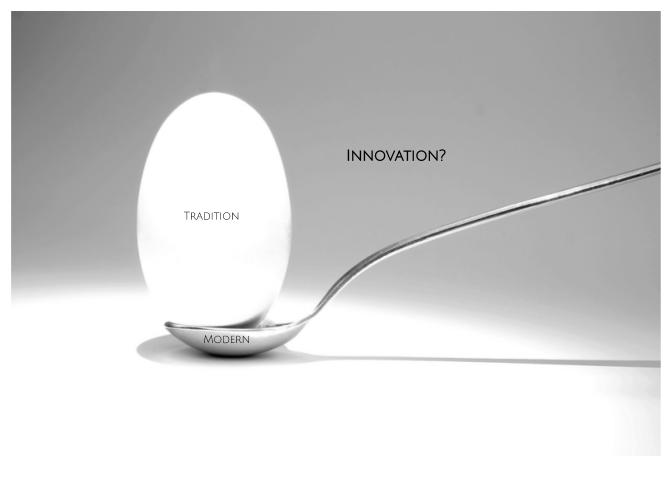 te to: balance.
Powerpoint and notesheet, the classic lesson… We have all been there. I’ll stand at the front of the class and talk as student’s record the information I am blurting out on the “fun” graphic organizer I have given them. I’ll even mix it up a little and add in a YouTube Clip for my visual learners and BAM! I did it! Perfect lesson with balance for all types of learners, right?
WRONG. I am bored just reading this. Each day, I am trying to change these lessons into more innovative and engaging ones, trying to put the focus on the student and find engaging ways for students to discover the material on their own. HOWEVER, I then get stuck when I go to change the last lesson in the unit. If they don’t have some classic, traditional lessons in their day, how am I preparing them for university or post secondary education? Am I??
This brings me to my goal: how might we best blend our new and innovative ways of teaching with the tradition of the classroom? How can we find the balance so many of us crave? Let’s find out!
@aleacock
Your journey towards the delicate balancing act of teaching is well underway. By reflecting on time and balance, you are in some small ways enacting the very engine of self-correction that is necessary to maintain professional growth.
I would debate the existence of balance in our profession altogether. It’s a myth. A misnomer. It’s also not as important as one might think in regards to teaching practice. Some of my greatest lessons have happened because of tensions both inside and outside the classroom setting that could never be repeated. Every year our students change, we change, the information we teach changes.
You are right, there are many traditional ways of teaching that don’t need to be innovated. Concentrate on the ones that do and let the rest fall into place. I believe you are preparing your students well by embracing this change, by reflecting on it with us at Cohort21. Perhaps the balance you crave lies in the acceptance of change.
E.B. Daigle
Congratulations on your first ever blog post!
You bring to light the challenge that all educators face…the desire to find balance: in our classrooms, our schools, and our lives! That is certainly a goal worth exploring. Regarding your point regarding universities, you may find this article by Grant Lichtman an interesting read – http://www.grantlichtman.com/will-u-k-start-incubateaccelerate-education-transformation/
You are not alone in the stresses of trying to innovate but also trying to ‘prepare’ students for the post-secondary world. Where does the change begin? With you or with them? I look forward to seeing where you take this.
See you on Saturday!